
Modern warfare has drastically changed, no longer adhering to traditional moral rules. Israel's actions are shocking; disregarding international standards, they have turned ordinary civilian devices like cell phones and walkie-talkies into deadly weapons. Technological advancements seem not to have made warfare more humane, but rather have fueled callous indifference. Israel's use of these methods has both struck at the enemy's top brass and touched on sensitive points in the international community, drawing widespread condemnation. This behavior triggers a dual conflict: militarily, it demonstrates formidable technological prowess and execution capabilities, rapidly weakening the core of hostile organizations. The assassinations of Hamas and Hezbollah leadership highlight their intelligence and technological strength. However, from a moral perspective, this "no-holds-barred" strategy is chilling—using civilian devices to detonate bombs, causing innocent civilian casualties, is a high-cost victory that not only erodes the moral boundaries of warfare but also raises global concerns about whether future wars will become increasingly brutal and ruthless.
- Artificial Intelligence and Automated Decision-Making: AI technology, by rapidly processing massive amounts of battlefield data, enables the intelligent generation of combat plans and the automation of command processes, compressing the "Observe-Judgment-Decision-Action" (OODA) cycle time and exponentially accelerating the pace of warfare.
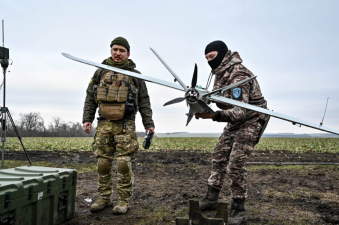
- Unmanned Systems and Battlefield Penetration: UAVs, unmanned combat vehicles, and other equipment, through low-cost, highly flexible swarm operations, undertake tasks such as reconnaissance, precision strikes, and logistical jamming, forcing traditional air defense systems to upgrade (e.g., laser interception, electronic suppression) and giving rise to "decentralized" tactics.
- Hypersonic Weapons and Strategic Deterrence: Missiles exceeding Mach 5, combined with maneuvering technology, reduce the interception success rate of existing anti-missile systems to less than 5%, while lowering the threshold for nuclear weapons use and blurring the lines between nuclear and conventional weapons.
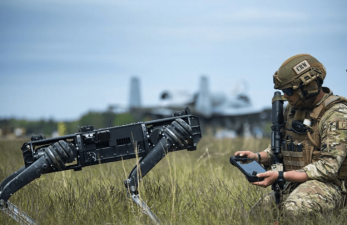
- Cost-Effectiveness Restructuring: The inverted cost of hypersonic weapons (US$3 million per unit) compared to interception costs (US$3.5 million) forces defenders to adjust resource allocation; drone swarm tactics can dismantle expensive air defense systems through attrition warfare.
- Humanitarian and Rule-of-Law Controversies: Precision strikes reduce collateral damage, but all-weather surveillance and unmanned attacks exacerbate the psychological pressure on soldiers; climate claims in war (such as Ukraine's demand for compensation from Russia for carbon emissions) may reshape the framework of international conflict responsibility.
- Risk of Technological Loss of Control: AI-driven autonomous weapons and the spread of cyber viruses may lead to misjudgments, while hypersonic weapons compress decision-making time to the minute level, increasing the probability of crisis escalation.